
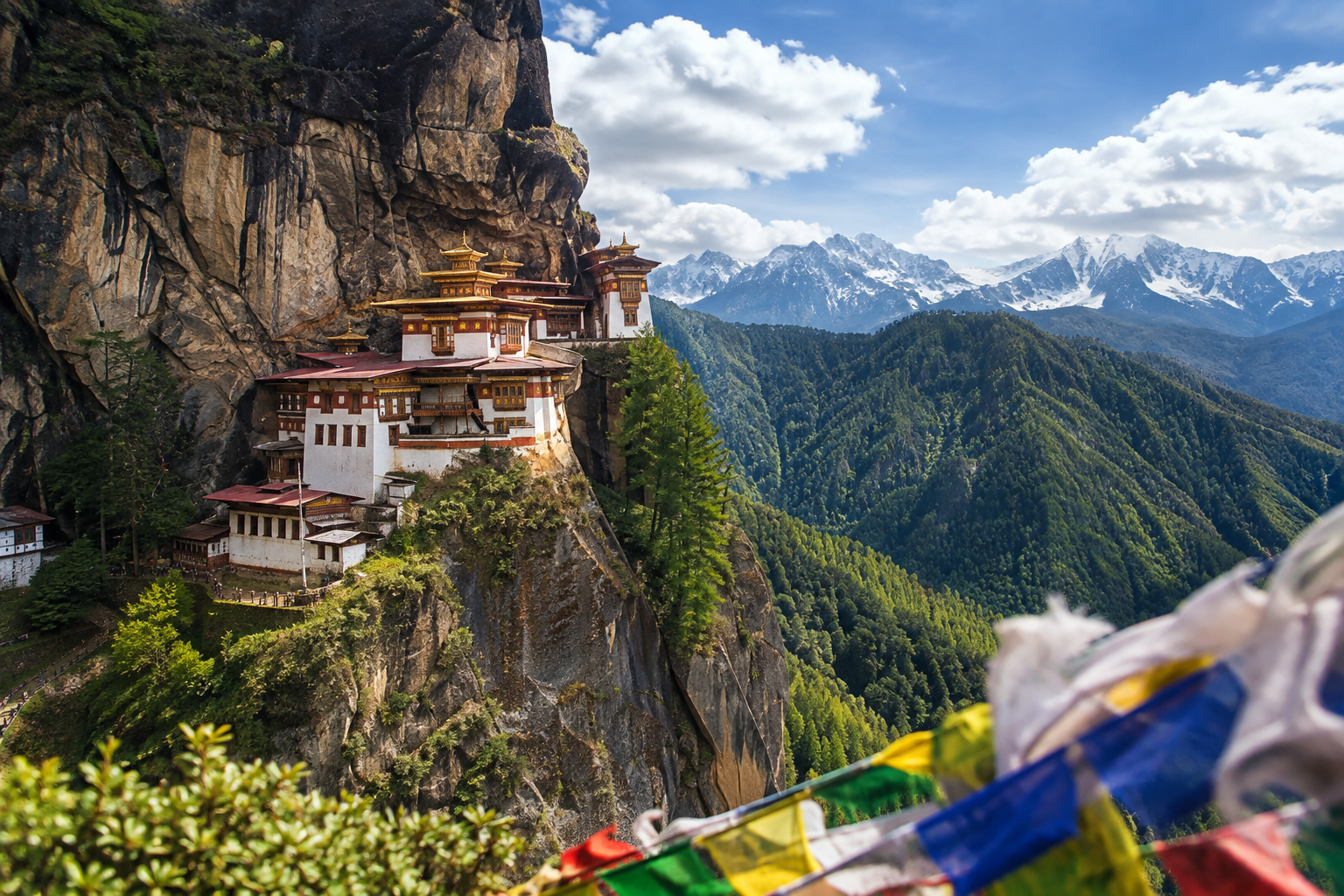
Bhutan Travel Guide 2026: Everything You Need to Know Before You Go
Tucked between India and China in the eastern Himalayas, Bhutan remains one of the most tightly protected — and most rewarding — destinations on earth. It's the only carbon-negative country in the world, it measures progress through Gross National Happiness instead of GDP, and it caps tourism on purpose rather than by accident. If you've been searching for a Bhutan travel guide that's actually current for 2026, here's everything you need: costs, visas, the best time to go, and the places that make this kingdom unforgettable.
Why Bhutan Belongs on Your 2026 Travel List
Bhutan isn't a place you stumble into. Every visitor books through a licensed local operator, and every trip contributes directly to the country's "High Value, Low Volume" tourism model. That means fewer crowds, better-maintained trails and monasteries, and a country that has chosen to stay wild on purpose. Snow-capped peaks, cliffside monasteries, red rice paddies, and prayer flags strung across mountain passes are still the norm here, not the exception.
Bhutan Visa and Entry Costs in 2026
Understanding the fees upfront makes planning far less stressful. As of 2026:
- Visa fee: USD 40 per person, one-time and non-refundable (waived for travelers from India, Bangladesh, and the Maldives).
- Sustainable Development Fee (SDF): USD 100 per person, per night for most international visitors, discounted to roughly INR 1,200/night for Indian nationals. This reduced rate has been in place since September 2023 and holds through August 31, 2027.
- Children: Kids up to age 5 pay no SDF, and those between 6 and 11 receive a 50% discount.
- GST: A new 5% Goods and Services Tax now applies to tourism services such as hotels, guides, and transport, layered on top of the SDF and visa fee.
All visitors must book through a Tourism Council of Bhutan-licensed operator, who will handle your visa clearance and SDF payment as part of your package — you can't apply independently.
Best Time to Visit Bhutan
- Spring (March–May): Rhododendrons bloom across the hillsides and skies are generally clear — ideal for trekking and photography.
- Autumn (September–November): Bhutan's most popular season, with crisp air, unobstructed Himalayan views, and major festivals (tshechus) in full swing.
- Winter (December–February): Quieter and colder, but excellent for clear mountain views and cultural touring at lower altitudes.
- Summer/Monsoon (June–August): Lush, green, and far less crowded — a good option for travelers willing to pack a rain jacket.
Top Places to Visit in Bhutan
1. Paro and Tiger's Nest Monastery (Taktsang)
Bhutan's most iconic image: a monastery clinging to a cliff face 900 meters above the Paro Valley. The hike up takes half a day and is a rite of passage for every visitor.
2. Thimphu
The capital blends tradition and modernity — think giant Buddha statues on hillsides, weekend markets, and some of the only traffic circles in the world still directed by hand.
3. Punakha
Home to Punakha Dzong, arguably Bhutan's most beautiful fortress-monastery, set at the confluence of two rivers and framed by jacaranda blossoms each spring.
4. Bumthang Valley
The spiritual heart of Bhutan, dotted with ancient temples, apple orchards, and some of the country's best hiking trails.
5. Phobjikha Valley
A glacial valley known for its resident black-necked cranes, which migrate here every winter from the Tibetan Plateau.
Bhutan Trekking: What to Know
From short valley walks to the multi-week Snowman Trek — considered one of the hardest treks on earth — Bhutan offers routes for every fitness level. Popular options include the Druk Path Trek (4–6 days, moderate) and the Jomolhari Trek (7–9 days, more demanding, with views of 7,300-meter Jomolhari peak). All treks require a licensed guide, which is already built into your tour package.
Getting There and Getting Around
There's no land border crossing open to independent tourists coming from outside India, Bangladesh, or Nepal by road. Most international travelers fly into Paro International Airport, served by a limited number of airlines navigating one of the world's most dramatic mountain-ringed approaches — it's worth booking flights early. Once inside Bhutan, your licensed operator arranges private transport and a guide for the full length of your stay — self-drive tourism isn't an option here.
Responsible Travel in Bhutan
Bhutan's tourism model exists to protect the country, not restrict travelers for its own sake. SDF revenue funds free healthcare and education for Bhutanese citizens, cultural preservation, and environmental protection, and the country maintains a constitutional requirement to keep at least 60% forest cover for future generations. Traveling here means your trip cost is doing real work — which is part of what makes the experience feel different from anywhere else in the Himalayas.
Plan Your Bhutan Trip with Travel Unbounded
Ready to experience the Land of the Thunder Dragon? From Tiger's Nest sunrise hikes to multi-day treks through the Bumthang Valley, our Bhutan specialists build fully licensed, SDF-compliant itineraries tailored to how you want to travel.
Explore our Bhutan packages and start planning at Travel Unbounded.
Frequently Asked Questions
Do I need a guide in Bhutan?
Yes — all international tourists must travel with a licensed guide arranged through an approved tour operator.
What's the best time to see Tiger's Nest Monastery?
Early morning in spring or autumn offers the clearest skies and the fewest crowds on the trail.
Can I visit Bhutan independently without a tour operator?
No. All visas and the Sustainable Development Fee must be processed through a Tourism Council of Bhutan-licensed operator before you arrive.