
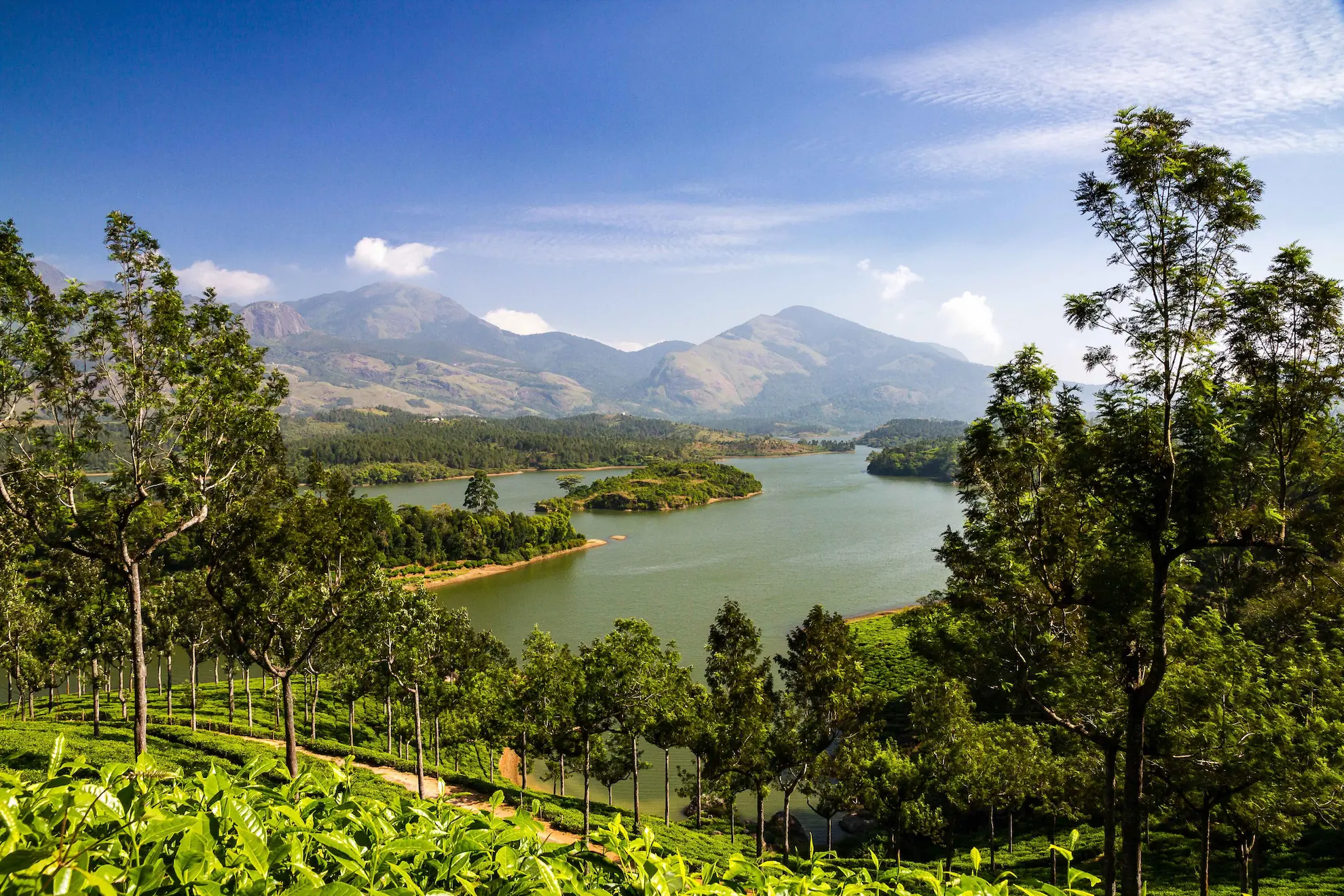
How Kerala Became “God’s Own Country” — And Why The World Fell In Love With It
Few destinations in the world have managed to create an identity as powerful as Kerala's.
Today, mention Kerala anywhere in the world and images of mist-covered tea gardens, serene backwaters, swaying coconut palms, vibrant culture, and warm hospitality instantly come to mind. Yet, very few people know that the phrase "God's Own Country" wasn't born centuries ago. It was a modern tourism branding masterstroke.
In the 1990s, under the leadership of tourism visionaries including Amitabh Kant, Kerala Tourism launched what would become one of India's most successful destination branding campaigns. "God's Own Country" was more than a slogan—it was a promise. A promise of nature, culture, wellness, and experiences unlike anywhere else in India.
Three decades later, that promise continues to attract millions of travellers from around the world.
But Kerala's story goes far beyond tourism.
Historically, Kerala has always been a crossroads of cultures. Arab traders, European explorers, spice merchants, and seafarers all found their way to its shores. The state's legendary spice trade once connected it to markets across the Middle East, Africa, and Europe long before globalisation became fashionable.

Even today, Kerala remains unique in many ways.
It boasts the highest literacy rate in India, one of the country's best healthcare systems, and a population deeply proud of its culture, traditions, and professions. Whether it is a fisherman heading out before sunrise, a tea estate worker in Munnar, a Kathakali artist preparing for a performance, or a houseboat captain navigating the backwaters of Alleppey, there is a remarkable sense of dignity and passion associated with every role.
That pride reflects everywhere.
In the spotless homestays.
In the warmth of local conversations.
In the freshness of the cuisine.
And in the way visitors are welcomed.
Speaking of cuisine, Kerala is a destination in itself for food lovers. From appams and stew to Malabar biryani, fresh seafood, banana leaf meals, and countless coconut-infused delicacies, every region has its own culinary identity and traditions.
Tourism has played a transformative role in Kerala's growth story. It has created livelihoods for thousands of families-drivers, naturalists, guides, artisans, hoteliers, houseboat operators, plantation workers, restaurateurs, and entrepreneurs. More importantly, it has helped preserve many of the state's cultural and natural assets by giving communities a reason to protect them.
For first-time visitors, Kerala offers one of the most complete holiday experiences in India.
A typical journey begins in Kochi, a city where colonial history, heritage architecture, and modern Kerala coexist beautifully. From there, travellers head into the cool mountains of Munnar, where endless tea plantations disappear into the clouds and every bend in the road reveals another breathtaking view.
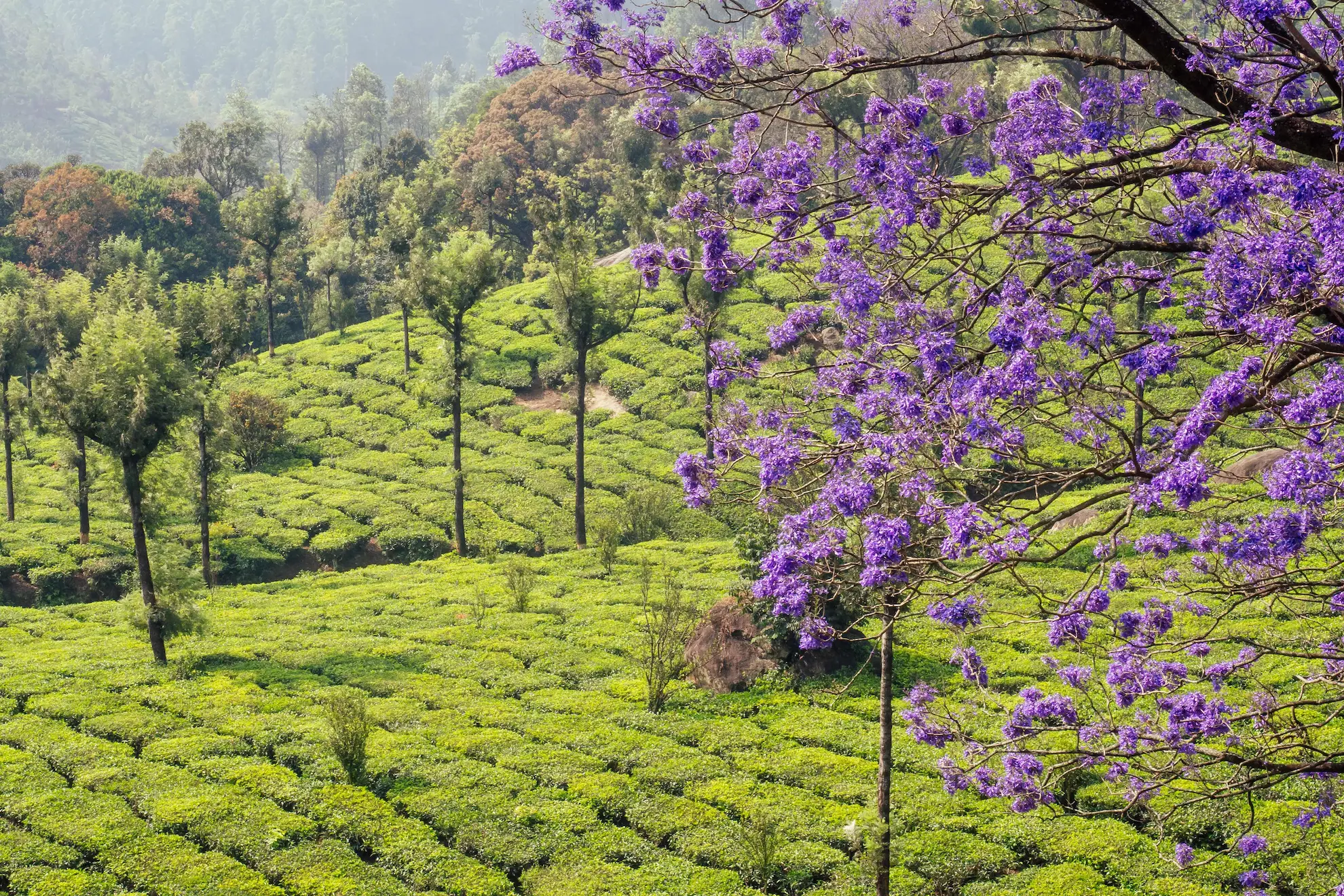
The journey then continues to Thekkady, home to the famous Periyar Wildlife Sanctuary, where forests, spice plantations, and wildlife create an entirely different experience.
And finally comes Alleppey-perhaps Kerala's most iconic destination—where life slows down aboard a traditional houseboat drifting through a maze of tranquil backwaters.
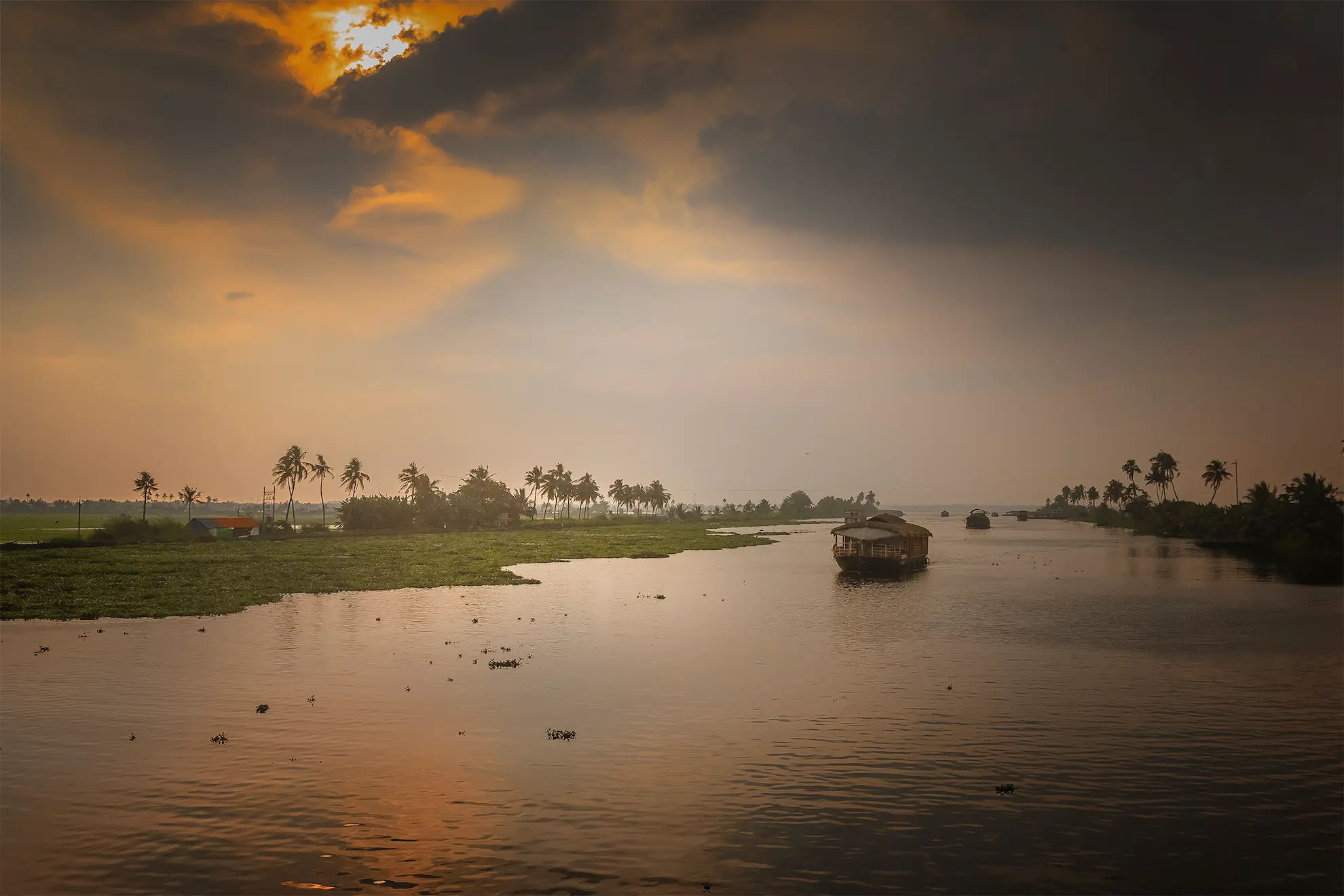
Few places allow travellers to experience mountains, wildlife, culture, cuisine, beaches, and backwaters within a single holiday.
Perhaps that is Kerala's greatest strength.
At Travel Unbounded, our own relationship with Kerala began many years ago with a simple objective-to help travellers experience the state beyond photographs and brochures. Over time, that passion evolved into one of our strongest destinations. Today, we welcome close to 100 families every month to Kerala, each discovering their own version of what makes this state so special.
Interestingly, despite being one of India's most celebrated destinations, Kerala remains remarkably accessible. A well-planned 4-night holiday covering Munnar, Thekkady, and Alleppey can begin from around ₹40,000 per couple, making it one of the few destinations in India that genuinely offers something for every budget.
The truth is, Kerala isn't famous because it was branded brilliantly.
It was branded brilliantly because it had everything required to become famous.
And perhaps that is why, decades after the phrase was first coined, "God's Own Country" still feels less like a marketing slogan and more like a description.
For those who have been there, it simply feels accurate.