 TRENDING
↗
For 9N/10D
Serengeti Migration Tour
Meals Transport Hotels Guide
Starting fromCost per person USD 3950/- Onwards

.webp?alt=media&token=c180ab37-f749-4eb4-a962-9c1f551e0f73)
Discover the magic of tanzania. Handcrafted itineraries, expert local guides, and unforgettable experiences curated just for you.
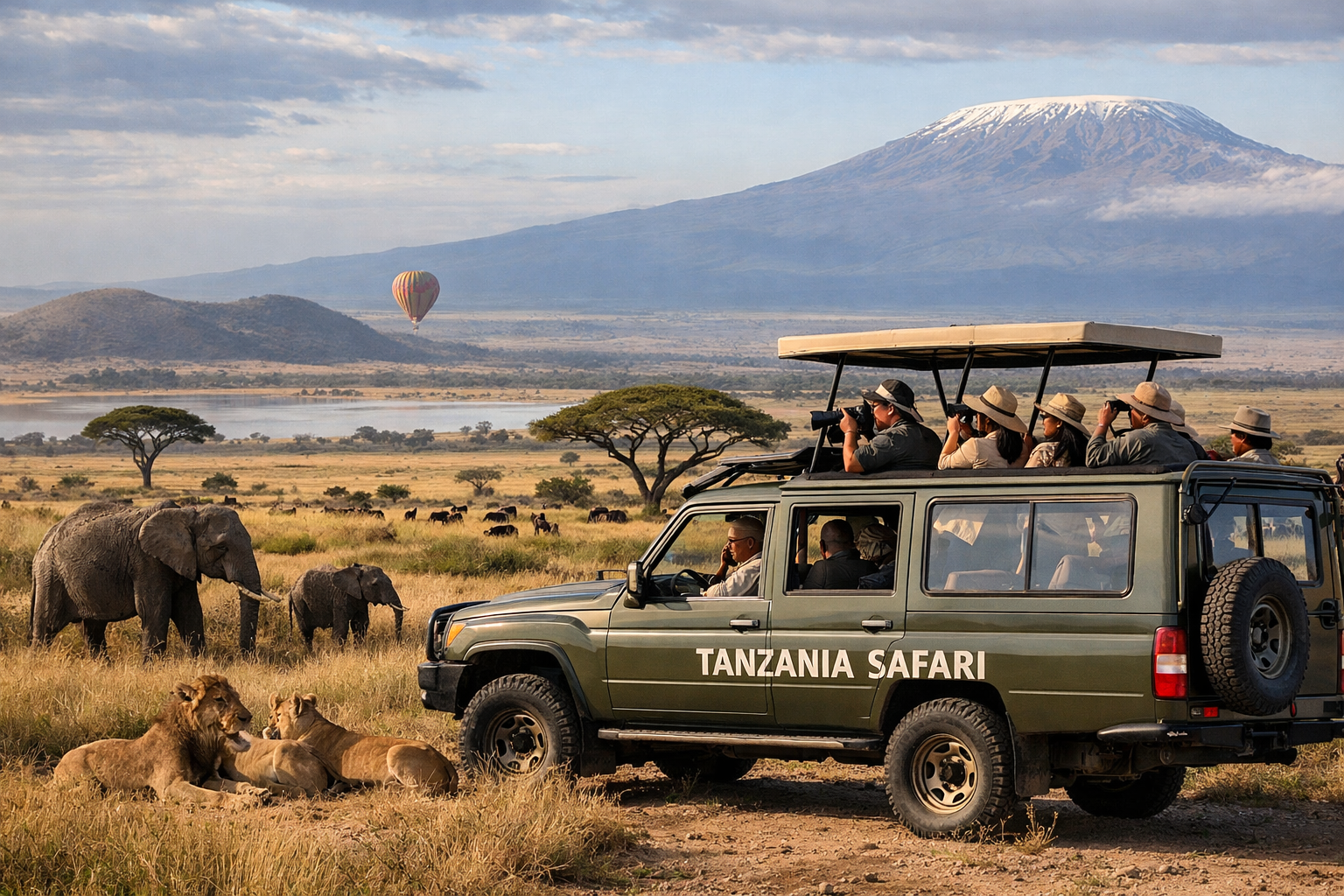
Tanzania is one of the world’s most spectacular wilderness and safari destinations in East Africa, attracting travelers from across the globe, including a growing number of Indian families and wildlife enthusiasts. Known for its dramatic landscapes, Tanzania offers a rare mix of vast savannahs, volcanic craters, lush forests, and wildlife-rich plains. Along with Kenya, Tanzania forms the largest terrestrial ecosystem on Earth and supports over 20% of Africa’s animal population, making it a prime choice for all-inclusive, insured safari tours from India.One of its most iconic highlights is the world-famous Great Wildebeest Migration, a once-in-a-lifetime natural phenomenon.
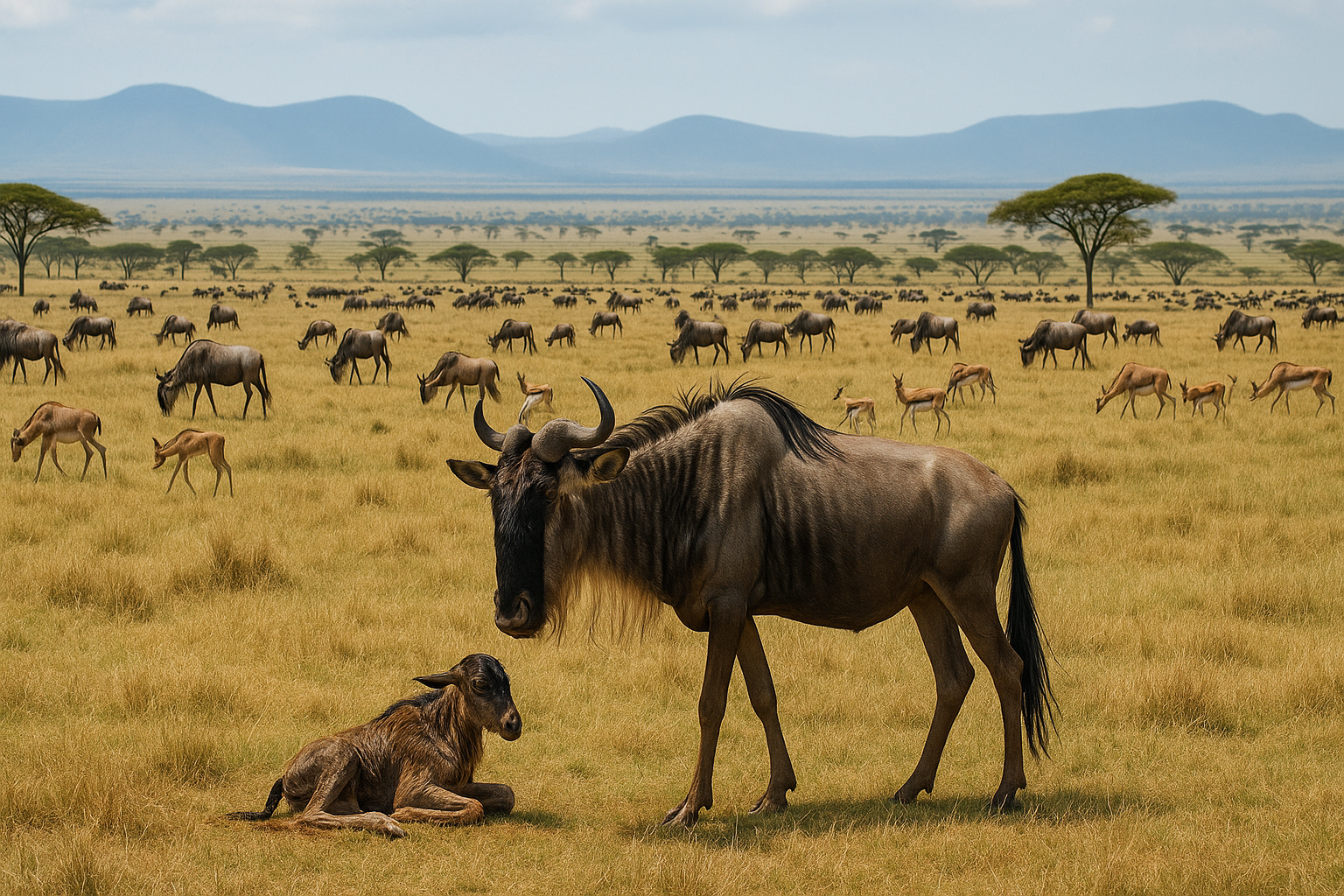
Between February and March, over a million wildebeests gather on the Ndutu Plains in southern Serengeti for the calving season. During this period, more than 8,000 calves are born each day, creating one of the most extraordinary wildlife spectacles on the planet.
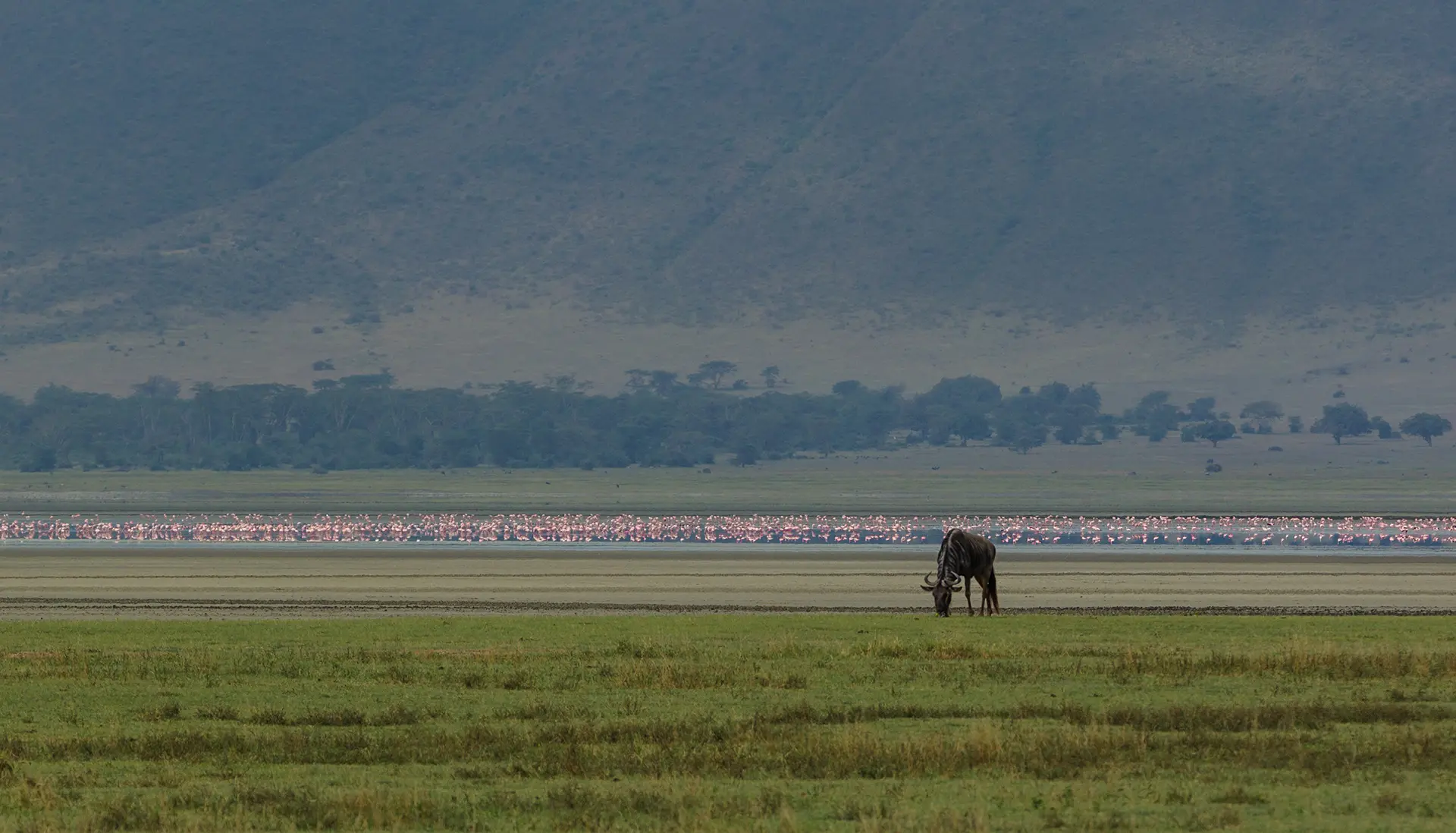
This season is particularly popular for Tanzania safari tours from India, offering excellent predator sightings and calm travel conditions suitable for guided family safaris and photography-focused wildlife holidays. Tanzania also offers rare sightings of critically endangered East African black rhinos in Ngorongoro and Mkomazi, the legendary elephant tuskers of Tarangire, and vast flocks of flamingos that turn Lake Manyara pink - making it a complete and diverse East Africa wildlife experience.
Travelers to Tanzania generally require a single-entry tourist visa valid for up to three months for holidays, leisure, or medical travel. Visa requirements vary by nationality, and travelers should review official guidelines in advance.For Indian travelers planning East Africa tours from India, visa procedures are straightforward, and most safari operators assist with documentation to ensure smooth and insured international travel.
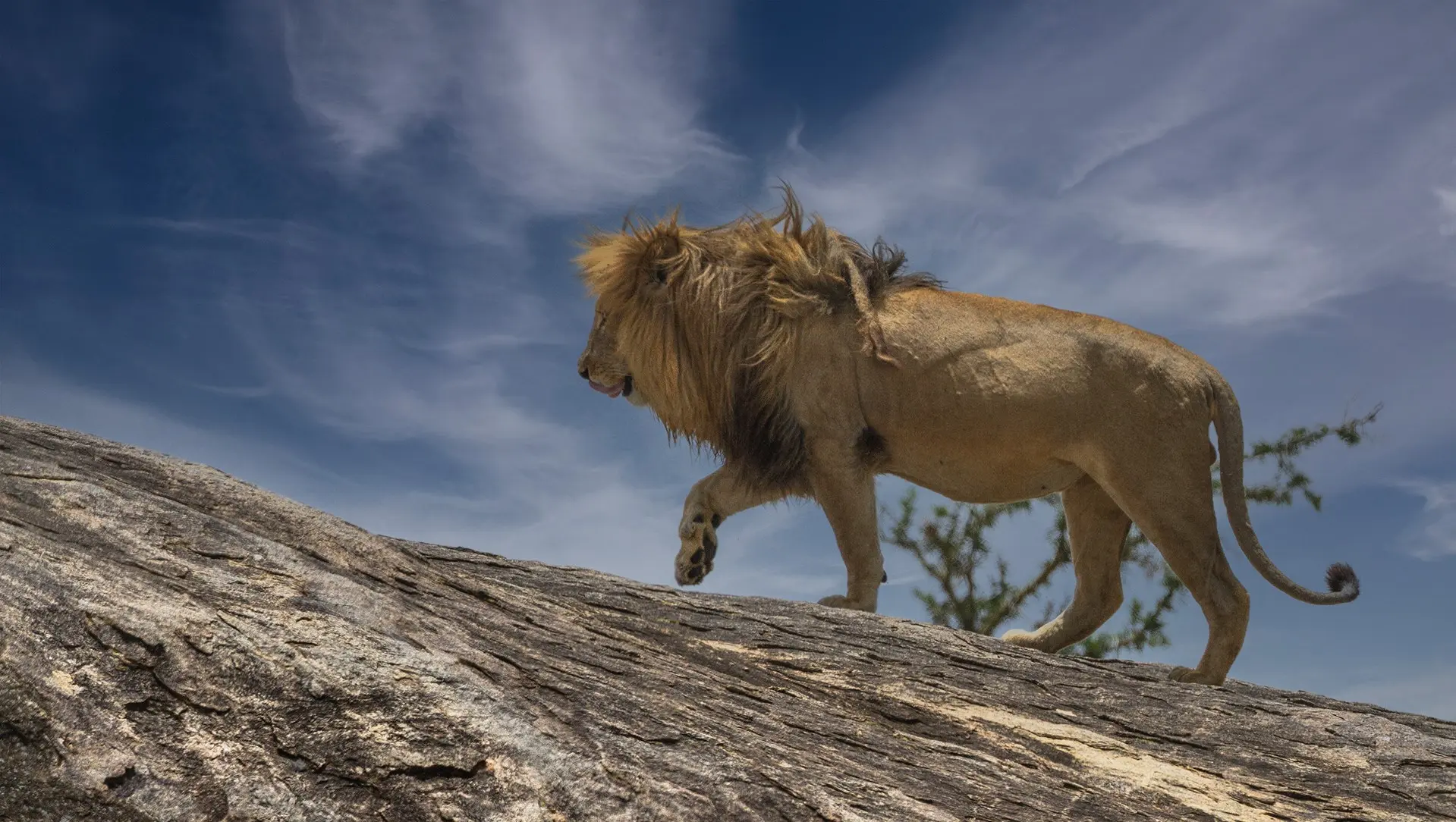
The Serengeti, meaning "The Land of Endless Plains" in the Maa language, is a vast wilderness etched into the memories of all who visit. It boasts rocky outcrops perfect for lion sightings, rivers cutting through the plains, and woodlands punctuating grasslands. Recognized globally as one of the world's most significant ecosystems, the Serengeti promises unforgettable wildlife experiences.
Ngorongoro is home to the world's largest inactive volcanic caldera, dating back two million years. Its crater, measuring 610 meters deep and covering 260 square kilometers, is an exceptional spot to witness black rhinos, black-maned lions, and more than 30,000 animals, including leopards, cheetahs, wildebeests, and buffalo. With its abundant wildlife and stunning scenery, it is a must-visit for any nature enthusiast.
Famous for its annual elephant migration of around 3,000 elephants, Tarangire offers a magical experience. The park's surreal landscape, dotted with massive baobab trees and termite mounds, is also home to the endangered Ashy Starling, greater kudu, and fringe-eared oryx.
Gombe Stream National Park:
◆Known for close encounters with chimpanzees, it gained fame thanks to Jane Goodall’s research in the 1960s.
Mikumi National Park:
◆Often referred to as the “second Serengeti,” Mikumi offers open plains with lions, giraffes, zebras, and buffalo - perfect for short safari extensions and family-friendly game drives.
Udzungwa Mountains National Park:
◆A biodiversity hotspot featuring waterfalls, rainforests, and endemic primates, Udzungwa appeals to travelers seeking nature walks and soft adventure experiences.
Mbudya Island:
◆A short boat ride from Dar es Salaam, this serene escape offers crystal-clear waters, delicious seafood, and pristine beaches.
St. Joseph's Cathedral:
◆The Gothic-style Roman Catholic cathedral is a must-see, especially for Sunday English mass at 8:30 AM.
Kivukoni Fish Market:
◆For an authentic Dar es Salaam experience, visit this bustling market where fishermen unload their fresh catch.
National Museum of Dar es Salaam:
◆Discover Tanzania’s history and culture, including unique exhibits like wooden bicycles.
Coco Beach:
◆Located on the Msasani Peninsula, this lively beach is popular on weekends for its food stalls, live music, and vibrant atmosphere.
Tanzania’s climate varies by region, ranging from tropical along the coast to more temperate in the highlands. Visitors are encouraged to pack accordingly for a variety of conditions.
Plan your unforgettable journey to Tanzania and experience one of the world’s greatest natural wonders. From East Africa wildlife safaris and the Great Migration to scenic landscapes and cultural encounters, Tanzania promises safe, well-guided, and memorable safari holidays for Indian travelers.
The ideal time to visit Tanzania depends on your interests:
June to October: Best for the dry season, offering excellent wildlife viewing and the Great Migration in the Serengeti.
January to March: Great for the calving season in the southern Serengeti, when thousands of wildebeest give birth, attracting predators.
April and May: The rainy season, but fewer crowds and lush scenery.
TRENDING POPULAR
 HOT SELLING