
Tanzania Safari from India 2026: Serengeti, Ngorongoro, Costs and Travel Guide
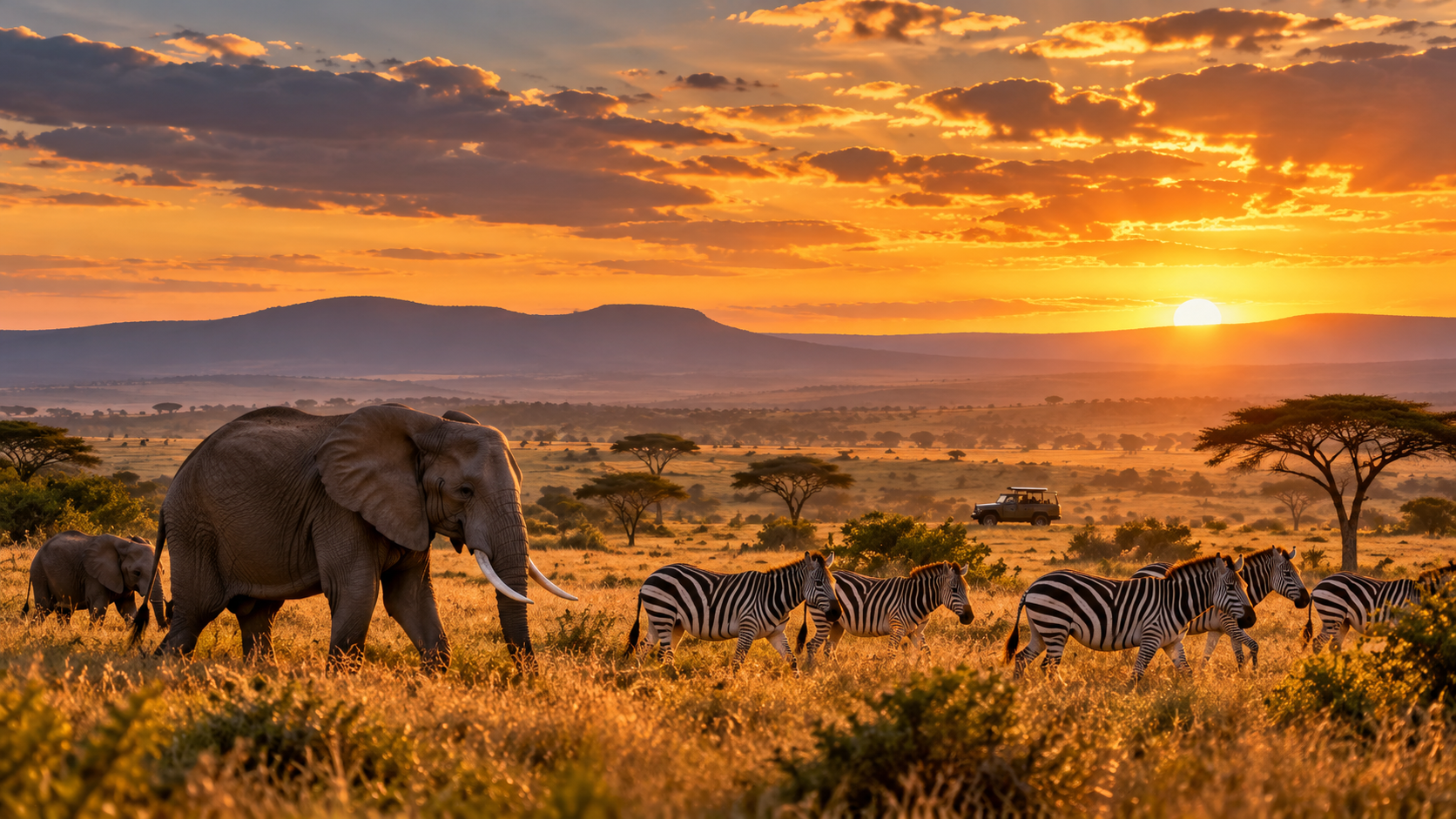
Imagine watching elephants cross an open savannah, spotting lions resting beneath acacia trees and witnessing thousands of wildebeest moving across the plains. Tanzania offers a wildlife experience that feels very different from a conventional international holiday.
Located in East Africa, Tanzania is home to the iconic Serengeti National Park, the remarkable Ngorongoro Crater and the enormous herds associated with the Great Wildebeest Migration. For Indian travellers who want to experience Africa beyond a typical city break, it offers an opportunity to combine wildlife, dramatic landscapes and local culture in one journey.
Planning a Tanzania safari from India requires more than choosing a hotel and booking flights. Your travel dates influence wildlife sightings, your accommodation determines how much time you spend on game drives, and the distance between parks affects your itinerary and budget.
This Tanzania travel guide explains how to plan your trip, which places deserve your time, when to visit, what to budget and how to make the journey worthwhile.
Why Should Indian Travellers Visit Tanzania?
Tanzania is particularly appealing to travellers who want to experience wildlife in its natural environment rather than visit a conventional sightseeing destination.
Here are four reasons to consider it for your next international holiday.
1. Experience the Serengeti
The Serengeti is famous for its expansive grasslands, diverse wildlife and seasonal movement of wildebeest and other grazing animals. Guided game drives offer opportunities to observe lions, elephants, giraffes, zebras and other species.
Wildlife sightings are never guaranteed, but choosing the right season and spending enough time in the park can improve your chances.
2. Explore the Ngorongoro Crater
The Ngorongoro Conservation Area contains a vast volcanic caldera surrounded by high crater walls. Its grasslands, woodland and water sources support a remarkable concentration of wildlife.
A crater game drive is one of the highlights of Tanzania's northern safari circuit, particularly for travellers who want varied landscapes without visiting numerous distant parks.
3. See the Great Wildebeest Migration
The Great Migration is a seasonal movement of wildebeest, zebras and other grazing animals across the Serengeti ecosystem and into Kenya's Maasai Mara.
The timing and location change throughout the year. River crossings attract considerable attention, but the calving season in southern Serengeti offers another extraordinary wildlife experience.
4. Add a Beach Holiday to Your Safari
If you have extra time, consider extending your trip to Zanzibar. The island is known for its beaches, turquoise waters, historic Stone Town and Swahili cultural heritage.
A safari followed by a few relaxing beach days can create a more varied holiday, especially for couples and honeymooners.
Best Time to Visit Tanzania from India
The best time to visit Tanzania depends on whether you prioritise wildlife viewing, the Great Migration, photography, fewer crowds or a beach extension.
| Travel period | What to expect | Best suited for |
|---|---|---|
| January to March | Calving season in the southern Serengeti ecosystem, with strong predator activity in some areas | Wildlife photography and nature enthusiasts |
| June to October | Generally drier conditions and excellent wildlife viewing across many northern safari areas | First time safari travellers |
| November to December | Short rains in many areas, greener landscapes and seasonal wildlife movement | Flexible travellers and landscape photography |
| April to May | Long rains in many areas, with some camps and activities affected by weather | Travellers comfortable with changing conditions |
These are broad seasonal patterns rather than guarantees. Weather varies, and migration locations change with rainfall, grazing and water availability.
When Should You Visit for the Great Migration?
There is no single month that guarantees the best migration experience.
January to March is associated with the calving season in the southern Serengeti and Ndutu area. June to July can bring movement towards the western and northern Serengeti, while river crossings may occur in northern Serengeti during parts of the dry season.
Crossings are unpredictable. Animals may gather at a river and wait before crossing, and the spectacle can occur outside the dates you initially expect.
If witnessing the migration is your main reason for travelling, select your travel dates only after discussing the likely wildlife locations with a safari specialist.
Best Places to Visit on a Tanzania Safari
A well planned Tanzania itinerary should prioritise a few wildlife areas rather than attempt to cover the entire country.
1. Serengeti National Park
The Serengeti is the main attraction for many international safari travellers. Its vast plains, rocky outcrops and varied habitats support a rich range of wildlife.
Things to experience include:
• Morning and afternoon game drives with a professional guide.
• Wildlife photography across the open plains.
• Searching for lions, elephants, giraffes, zebras and cheetahs.
• Learning about the Great Migration and the ecosystems that sustain it.
Allow at least two or three nights if your budget and itinerary permit. Staying in a suitable location can reduce long daily transfers and give you more time for wildlife viewing.
2. Ngorongoro Conservation Area
The Ngorongoro Crater is one of Tanzania's most distinctive natural attractions. The crater floor contains grasslands, wetlands and other habitats that support a wide range of animals.
A typical visit includes a descent into the crater for a guided game drive. Because crater access and driving schedules are regulated, confirm the arrangements with your operator before travelling.
One full day is commonly allocated to the crater experience.
3. Tarangire National Park
Tarangire is known for its elephant populations, baobab trees and seasonal wildlife concentrations around the Tarangire River.
It can be an excellent addition to a northern circuit itinerary, especially for travellers who appreciate landscapes and wildlife photography.
Depending on your route, one or two nights may be worthwhile.
4. Zanzibar
Zanzibar provides a completely different atmosphere from the mainland safari parks.
Explore Stone Town's historic streets, spend time on the beach or enjoy a boat excursion with a responsible local operator. If you plan to snorkel or dive, check sea conditions and select an operator with appropriate safety practices.
A two or three night extension can work well after a wildlife focused holiday, although longer stays are ideal for travellers who want a slower pace.
Tanzania Trip Cost from India in 2026
A Tanzania safari is generally a substantial travel investment because the overall cost includes international flights, accommodation, park and conservation charges, safari vehicles, guides and transfers.
The following figures are illustrative planning budgets, not verified live quotations. They are broad estimates per person for a seven day trip, assuming two people travelling together, economy flights from India and a northern circuit safari. Actual prices can be substantially higher or lower depending on dates, accommodation, group size and inclusions.
| Expense | Indicative budget per person |
|---|---|
| Return international flights | ₹45,000 to ₹85,000 |
| Accommodation for six nights | ₹35,000 to ₹1,00,000 |
| Safari vehicle, guide and transfers | ₹45,000 to ₹1,00,000 |
| Park and conservation charges | ₹25,000 to ₹50,000 |
| Meals, visa and miscellaneous expenses | ₹10,000 to ₹25,000 |
| Indicative total | ₹1,60,000 to ₹3,60,000 |
These categories are simplified estimates. Safari packages often combine accommodation, meals, park charges and transport, so do not add these estimates to an existing package price without checking what is already included. Solo travellers, luxury lodge guests and travellers visiting during peak demand may pay more.
What Affects the Cost of a Tanzania Trip from India?
International flights: Fares vary by departure city, airline, connecting airport, baggage allowance and booking date.
Accommodation: Camps and lodges differ considerably in location, comfort and meal arrangements. A well located camp may offer better access to wildlife areas than a cheaper property requiring longer transfers.
Safari arrangements: A private vehicle provides more flexibility but usually costs more per person than a shared safari with suitable group arrangements.
Travel season: Popular wildlife periods can increase accommodation and transport costs. Booking early is especially important when you want a particular camp or location.
Park and conservation fees: These depend on the protected area, traveller category and applicable rules. Confirm the current charges and taxes when requesting a quotation.
How Can You Plan a More Affordable Safari?
• Travel with a small group to share eligible vehicle and guide costs.
• Choose fewer parks and spend more time in each instead of paying for long transfers.
• Compare the full package price rather than the nightly accommodation rate alone.
• Consider comfortable tented camps alongside traditional lodges.
• Keep optional experiences, such as a hot air balloon safari, separate from your essential budget.
• Avoid choosing a safari solely by its advertised starting price. Check accommodation locations, game drive hours, meals, park charges and transfers.
Tanzania Visa for Indian Citizens
Indian passport holders should check the current Tanzania entry requirements before booking a trip.
According to the official Tanzania Immigration Services visa guidance, an ordinary single entry tourist visa costs US$50 and can be valid for up to 90 days, subject to the applicable conditions. Indian citizens are listed among nationalities eligible for a visa on arrival, as well as the online application process. Travellers should still verify their individual eligibility and entry conditions before departure.
How to Apply
Visit the official Tanzania Immigration visa portal.
Select the appropriate visa category and review the required supporting documents.
Check your passport validity and available visa pages.
Submit the application and pay the applicable fee if applying online.
Keep your visa approval, return flight details, accommodation information and other relevant documents accessible during travel.
The immigration authority advises applicants to have a passport valid for at least six months and at least one unused visa page. It also recommends submitting online applications ten days before the intended journey, with a longer lead time for referral cases. Processing times can vary, so apply well ahead of departure.
Visa requirements and fees can change. Verify them directly with Tanzania Immigration before travelling, and do not rely solely on third party travel blogs.
How to Reach Tanzania from India
Most Indian travellers will need to compare connecting international flights based on their departure city, destination airport, baggage allowance and total travel time.
For a northern Tanzania safari, Kilimanjaro International Airport is a useful arrival point for many itineraries. Julius Nyerere International Airport in Dar es Salaam may be more appropriate for other routes, including some Zanzibar connections.
Before choosing a flight, confirm the following:
• Which airport your safari operator will collect you from.
• Whether the first and final safari days include meaningful game viewing or mostly transfers.
• Whether an overnight stop is needed because of flight schedules.
• Whether domestic flights and baggage restrictions are included in the package.
• How much time you need between international and domestic connections.
Avoid assuming that every flight itinerary into Tanzania is equally convenient for the northern safari circuit. Airport choice can affect both travel time and the overall cost.
A Practical 7 Day Tanzania Safari Itinerary
For a first visit, a northern circuit safari offers a logical way to experience multiple landscapes without trying to cover too much ground.
Day 1: Arrive in Tanzania
Arrive at Kilimanjaro International Airport and transfer to your accommodation in the Arusha area, depending on your flight schedule.
Use the day to rest, meet your safari guide and confirm the itinerary. If your flight arrives late, avoid planning a demanding excursion immediately afterwards.
Day 2: Explore Tarangire National Park
Travel to Tarangire for a game drive through landscapes known for elephants, baobab trees and seasonal wildlife concentrations.
Stay in a lodge or camp suited to your onward route.
Day 3: Travel Towards Serengeti
Continue towards the Serengeti, allowing sufficient time for the journey and any planned wildlife viewing en route.
The exact route and driving time depend on your camp, road conditions and the selected entry gate.
Day 4: Full Day in Serengeti
Spend the day on guided game drives. Your guide can adjust the route according to recent wildlife sightings, the season and the areas that are accessible.
If your main goal is the Great Migration, choose accommodation based on the expected location of the herds rather than the park name alone.
Day 5: Serengeti Wildlife Experience
Enjoy another day in the Serengeti to explore different areas and improve your chances of seeing wildlife.
A second full day reduces the pressure to fit every experience into a single drive. Consider a photography focused schedule if that is your main interest.
Day 6: Ngorongoro Conservation Area
Travel towards the Ngorongoro area, with the route and overnight stay planned around your crater visit.
Depending on the operator's schedule, the crater drive may take place on Day 6 or Day 7. Confirm the order before booking, because driving distances and accommodation locations matter.
Day 7: Crater Visit and Departure
If your flight schedule allows, enjoy a crater game drive before continuing to the airport or your next overnight stop.
Do not book a tight same day international departure without checking the transfer time and the planned crater schedule. An additional night can make the itinerary more comfortable.
Planning note: This is a sample framework, not a confirmed operational itinerary. A seven day trip can feel rushed if it includes multiple long transfers and a crater visit on the final day. If your budget permits, eight or nine days can provide greater flexibility.
What Should Indian Travellers Pack for Tanzania?
Safari packing should prioritise comfort, sun protection and practical clothing rather than a large holiday wardrobe.
Essential Items
• Lightweight, breathable clothing in neutral colours.
• A light jacket for cool early morning game drives.
• Comfortable walking shoes and sandals.
• A wide brimmed hat, sunglasses and sunscreen.
• Insect repellent suitable for your needs.
• Binoculars and a camera with spare batteries or power banks.
• Personal medication and basic travel essentials.
• Copies of your passport, visa documents, flight details and insurance policy.
• A suitable power adapter and charging equipment.
Check the baggage allowance carefully if your itinerary includes small aircraft. Some safari flights impose strict weight and luggage size limits, and soft sided bags may be required.
Food, Connectivity and Money Tips for Indian Travellers
Food Preferences
Inform your safari operator about vegetarian, vegan, Jain or other dietary requirements before departure. Lodges can often accommodate requests with advance notice, but remote properties have fewer supplies than large cities.
Carry a few suitable packaged snacks for long transfers if needed, while respecting local wildlife and food storage rules.
Mobile Connectivity
Ask your accommodation or operator about network coverage and WiFi. Connectivity can be limited in remote wildlife areas, so download essential travel documents and maps before leaving towns or cities.
Currency and Payments
Tanzania uses the Tanzanian shilling. Confirm which payment methods are accepted by your accommodation and safari operator, and carry an appropriate backup payment option. Keep small cash amounts available for incidental purchases and tips.
Travel Insurance
Choose travel insurance that covers your planned activities, medical emergencies and evacuation where appropriate. Read the exclusions carefully, particularly if you plan adventure activities beyond standard game drives.
Responsible Safari Travel: What You Should Know
A wildlife holiday is more rewarding when it respects animals, local communities and protected habitats.
Follow your guide's instructions, remain inside the vehicle where required and never encourage drivers to approach animals too closely. Avoid feeding wildlife or disturbing animals for photographs.
Choose operators who explain their conservation practices and treat local guides and communities fairly. When visiting cultural sites or communities, ask permission before photographing people and respect local customs.
These choices help protect the landscapes and wildlife that make Tanzania worth visiting.
Frequently Asked Questions
Is Tanzania a good destination for Indian travellers?
Yes. Tanzania is worth considering for travellers interested in wildlife, photography, nature and a distinctive African holiday. Planning accommodation, transport, food requirements and visa documentation in advance makes the trip easier.
How much does a Tanzania safari cost from India?
For initial planning, a seven day trip might fall around ₹1.6 lakh to ₹3.6 lakh per person under the assumptions described above. Treat this as an indicative estimate, not a live quotation. Luxury accommodation, peak season travel, solo occupancy and additional flights can increase the total.
What is the best month to see the Great Migration?
There is no guaranteed month for a particular river crossing. January to March is associated with calving in the southern Serengeti ecosystem, while the dry season can offer excellent wildlife viewing across other areas. Match your dates to the expected location of the herds.
Is seven days enough for Tanzania?
Seven days can work for a focused northern circuit safari, but the itinerary requires careful planning. Eight or nine days may be more comfortable if you want additional wildlife viewing or a beach extension.
Can I combine Tanzania with Zanzibar?
Yes. Zanzibar can be added before or after a mainland safari, subject to flight schedules and your budget. Allow additional nights rather than sacrificing essential time in the wildlife parks.
Do Indian citizens need a visa for Tanzania?
Indian citizens should check the current official requirements. Tanzania's immigration guidance lists a US$50 ordinary single entry visa and provides an online application route, with visa on arrival eligibility also listed for Indian nationals. Confirm the latest conditions before departure.
A Tanzania safari is an opportunity to experience Africa through its wildlife, landscapes and local culture. From the wide plains of Serengeti National Park to the remarkable Ngorongoro Crater, each stop offers a different perspective on the country's natural heritage.
The key to a successful trip is choosing the right season, allowing enough time for game drives and understanding exactly what your package includes. A carefully planned itinerary can help you spend less time in transit and more time experiencing the destination.
Ready to plan your Tanzania safari from India? Explore the Tanzania destination and safari packages from Travel Unbounded and discover journeys that can be tailored to your travel dates, interests and budget.